The science of hypnosis
Hypnosis has been studied in universities and hospitals for decades. Here is what researchers have found about how it works and what it can do.

What hypnosis is

The American Psychological Association’s hypnosis division defines it as a state of consciousness involving focused attention and reduced peripheral awareness, with an enhanced capacity to respond to suggestion [1]. In plain words: your attention narrows, the world around you fades a little, and ideas offered to you land more easily. It is not sleep and not a loss of control.
What happens in the brain
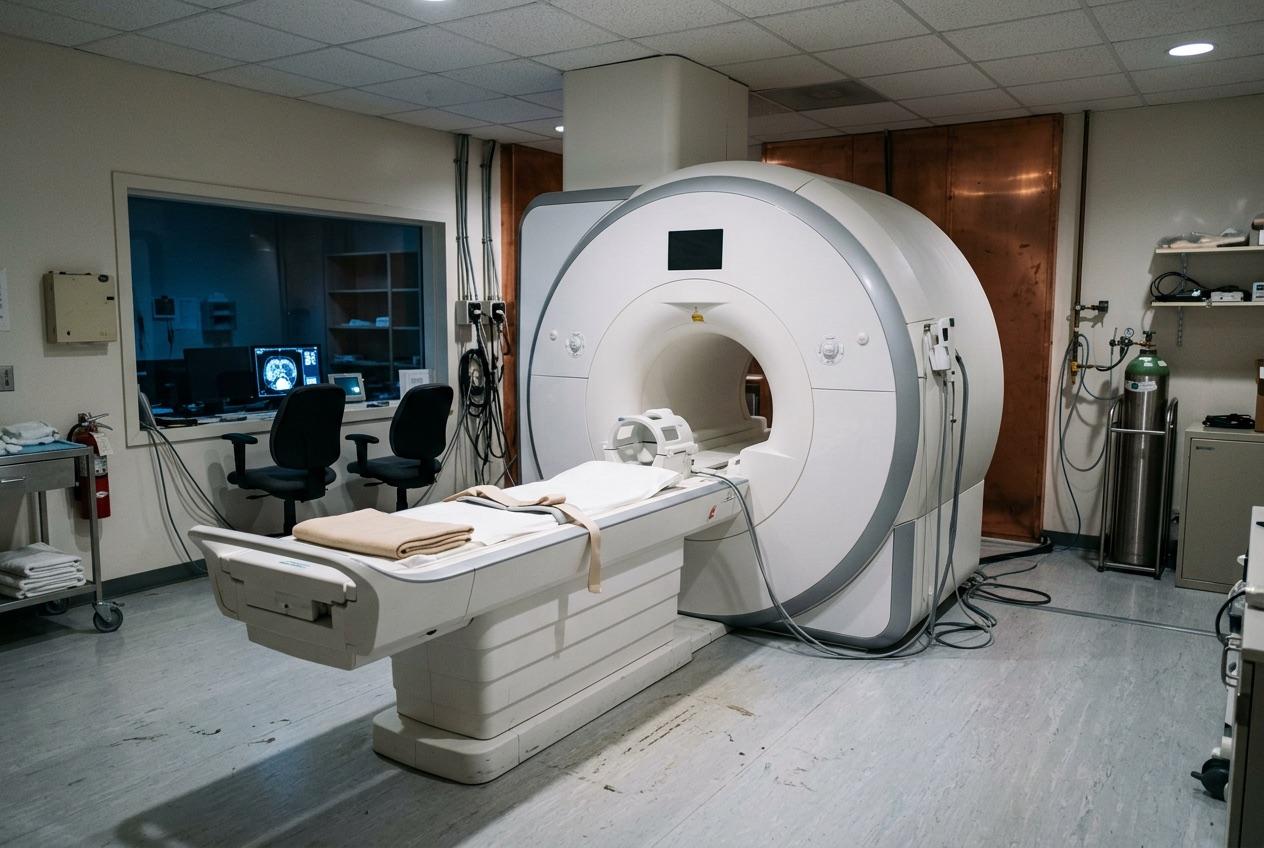
In a brain-imaging study at Stanford University, people who respond strongly to hypnosis showed three changes while hypnotised: less activity in a region that keeps watch for what to worry about, a stronger link between the regions that plan and the regions that sense the body, and a weaker link between planning and self-reflection [2]. This fits what people describe: absorbed, less self-conscious, more able to act on a suggestion.
Where the evidence is strongest
A review of meta-analyses of medical hypnosis found the best support for reducing pain and distress around medical procedures and for irritable bowel syndrome, with few and mostly mild side effects [3]. An earlier meta-analysis found that adding hypnosis to cognitive behavioural therapy improved its results [4].
Hypnosis, habits and learning
Research on hypnosis for changing habits and for learning is newer and more mixed. Some controlled trials are encouraging, others find little difference from other approaches, and larger ones are still needed [5].
Inmindo applies the same principles to everyday goals: breaking a habit, building a new one, learning with more focus. Fifteen minutes a day, with headphones.
How people respond
How readily a person responds to hypnosis is a fairly stable trait, measured in research with scales developed at Stanford in the 1950s [6]. Most people respond to some degree, a minority respond strongly, and a minority respond very little. Listening regularly matters more than how deep any one session feels.
References
- [1] Elkins GR, Barabasz AF, Council JR, Spiegel D. Advancing research and practice: the revised APA Division 30 definition of hypnosis. International Journal of Clinical and Experimental Hypnosis, 2015.
- [2] Jiang H, White MP, Greicius MD, Waelde LC, Spiegel D. Brain activity and functional connectivity associated with hypnosis. Cerebral Cortex, 2017.
- [3] Häuser W, Hagl M, Schmierer A, Hansen E. The efficacy, safety and applications of medical hypnosis: a systematic review of meta-analyses. Deutsches Ärzteblatt International, 2016.
- [4] Kirsch I, Montgomery G, Sapirstein G. Hypnosis as an adjunct to cognitive-behavioral psychotherapy: a meta-analysis. Journal of Consulting and Clinical Psychology, 1995.
- [5] Barnes J, McRobbie H, Dong CY, Walker N, Hartmann-Boyce J. Hypnotherapy for smoking cessation. Cochrane Database of Systematic Reviews, 2019.
- [6] Weitzenhoffer AM, Hilgard ER. Stanford Hypnotic Susceptibility Scale, Forms A and B. Consulting Psychologists Press, 1959.
Inmindo is not affiliated with, or endorsed by, any of the authors, universities or journals named here.